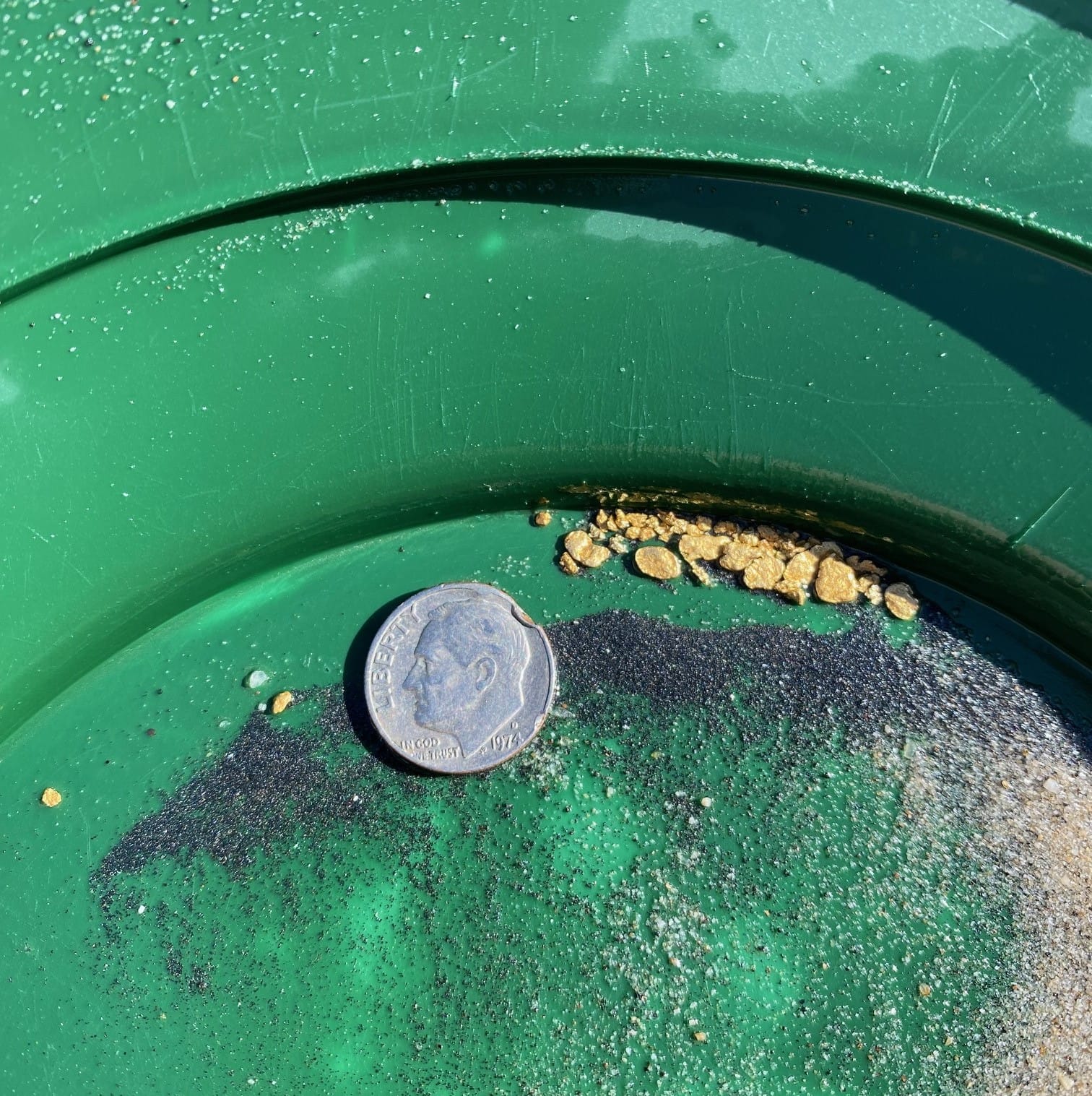
Chasing Gold Across America: What I Learned From Panning for Gold in Three States
Ever since I was a kid, I’ve had a dream of owning my own little gold mine. Most folks outgrow that kind of thing. I never did. I just had to wait about fifty years and sell a business before I could go chase it.
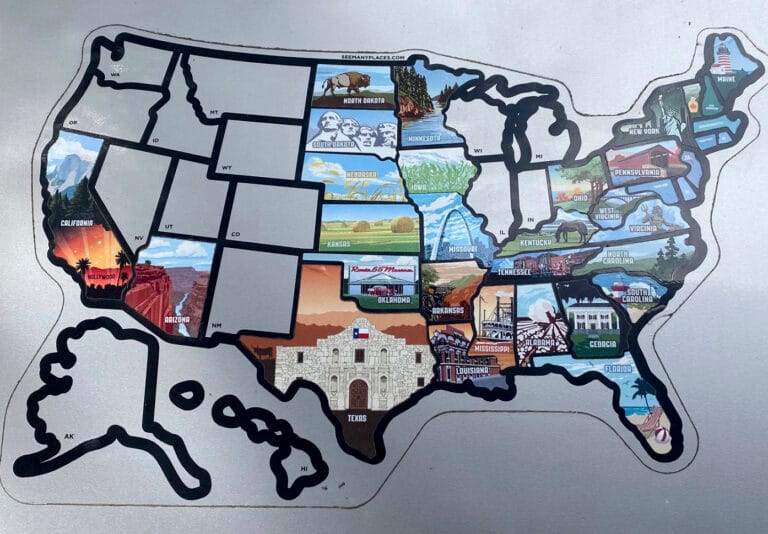
This is the story of how that kid’s dream turned into real gold panning, from the Sierra foothills of California to the national forests of North Carolina and the cold rivers of New Hampshire.
Where It All Started: California
In September 2023, I sold my business and Diana took a job as a travel nurse. Her first assignment landed us in Modesto, California, and that’s where this whole adventure life began.
On Diana’s days off, we’d go camping or explore someplace we’d never seen. We quickly learned that sleeping on the ground isn’t near as fun as it was when we were in our 30s, especially when the temperature drops at night in the Sierra Nevada. That’s how we ended up buying our first camper, “The Little Guy,” but that’s a story all by itself.
On the days Diana worked, I needed something to do. So I started watching gold prospecting channels on YouTube. One day I came across a video on the 10 best free panning spots in California, and I started visiting every one I could reach.
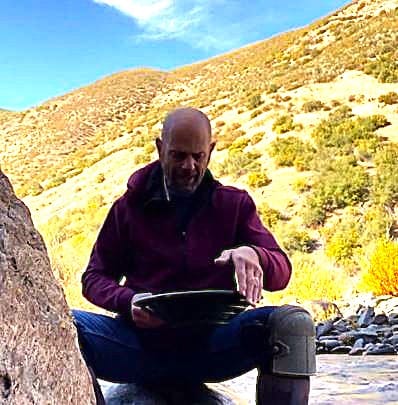
That’s how we found a free spot along the Merced River at Briceburg. You could camp there and hunt for gold, as long as you kept it low impact. That means hand tools only, no sluices or high bankers. We camped there just about every day Diana wasn’t working. She’d sit with a good book and check on me now and then to make sure I hadn’t fallen in, and I’d spend most of the day with a pan in the water.
I can’t remember everywhere I’ve found gold since, but I remember that first piece like it was yesterday. It was right there on the banks of the Merced. I’d heard YouTubers say you’ll know gold when you see it. They were right, and I did.
California spoiled me. Most of what I found there were flakes you could see with your bare eyes, and one day I even found a picker sitting right on bedrock. If you’ve never panned, a picker is a piece big enough to pick up with your fingers. It’ll put a grin on your face that lasts awhile.
The Spot That Wasn’t on Any Map
One of my favorite surprises came on a drive with no particular place to go. I turned down what looked like an old abandoned road, and there was a sign: “Panning Area.”
It wasn’t on any map I’d ever seen. You could tell the old-timers had worked it hard with a dredge, because the tailings piles were huge. But they didn’t get it all. I found a few flakes they’d left behind for me.
North Carolina and the Uwharrie National Forest
When California ended, our next stop was Wilson, North Carolina, home of the Whirligig. I did the same kind of research I’d done out West and learned I could pan, and even run a sluice, in the Uwharrie National Forest.
▶ Watch: What’s a Whirligig you ask?
It was a long haul, about two and a half hours each way, but I made that drive plenty of times. Whenever we could slip a camping trip in between our other travels, we’d head to the forest and camp for several days.
▶ Watch: Panning for Gold in North Carolina
I’ll be honest: North Carolina wasn’t near as productive as California. Most of what I found was flour gold, so fine it looks like glitter dust in the bottom of your pan. But a day in those woods with a pan in my hands still beats a good day just about anywhere else.
▶ Watch: Uwharrie National Forest full video
Vermont, New Hampshire, and the Ammonoosuc River
Next came Vermont, and the gold story was much the same. We found a campground just across the border in New Hampshire, and while I chased gold in the river, Diana kept me safe from the bank, same as always.
▶ Watch: Camping along the Wild Ammonoosuc
Getting Skunked
Not every day ends with gold in the pan. Anybody who tells you different is selling something.
My most memorable skunk came at a pay-to-dig site, a place where you pay to dig on private ground. They rented out high bankers that were already set up, and the owners controlled the water. We couldn’t shut it off or adjust it. I didn’t care for the setup, but I wanted to try a high banker bad enough that I went for it anyway. A buddy and I worked that thing for four hours straight and came away with barely enough gold to see.
I did end up buying my own high banker later, and I bought it with money I’d made selling the gold I’d found. There’s something mighty satisfying about gold paying for its own gear.
Back Home in Georgia
Since Diana stopped travel nursing and we came back to Georgia, my gold adventures have been fewer and farther between. As a member of the GPAA (Gold Prospectors Association of America), I have access to member claims called leases, but the ones around here are less active and the finds are small.
So I still pan at home. I buy pay dirt online from places like the GPAA, Felix Pay Dirt, and other YouTubers, and work it in the backyard. I’ve even tried my hand at hard rock: I bought some gold ore, crushed it with a small hand operated rock crusher, and refined it down using a method called cupellation.
▶ Watch: Cupel Gold
My Three Tips for Beginners
If you’re thinking about giving gold panning a try, here’s everything I know, boiled down to three things:
- Put down the chips, get off the couch, and get out there. You won’t find gold watching other people find it.
- Know your local laws and regulations. Every place has its own rules about where you can pan and what equipment you can use. The Bureau of Land Management, your state, and groups like the GPAA are good places to start your research.
- Have fun with it. Gold panning is a lot like golf. The minute it gets serious instead of relaxing, it turns stressful.
Curious what’s in my pan kit? I wrote up exactly what I use, what I’d buy again, and the one piece of gear I’d tell you to skip: Read: Our Gold Panning Starter Kit
And if you want to ride along on the next one, come find us on YouTube at Golden’s Adventures.
I’m just saying.
One Comment